
How to Properly Maintain Leather Goods with Cowhide Leather Preservation Guide
Cowhide leather is a high-class material loved for its durability, elegant appearance and timeless value. However, like other kinds of leather, cowhide leather is also prone to damage and can deteriorate quickly if the users do not apply the proper care and appropriate storage. In this article, we will introduce the best methods of cowhide leather treatment, helping leather enthusiasts preserve their favorite leather items with more confidence.
Why Proper Cowhide Leather Treatment is Important
- Extend longevity: Thoughtful upkeep and maintenance help cowhide leather products remain durable through decades. This both holds onto the quality of products and saves a lot of money by reducing the need for frequent replacements.
- Protect aesthetics: Cowhide leather is sensitive to the environment. Without suitable storage, it can dry out, crack, fade or even develop mold, especially in humid conditions. Regular care keeps leather looking fresh, safeguarding the inherent beauty and long-term value.
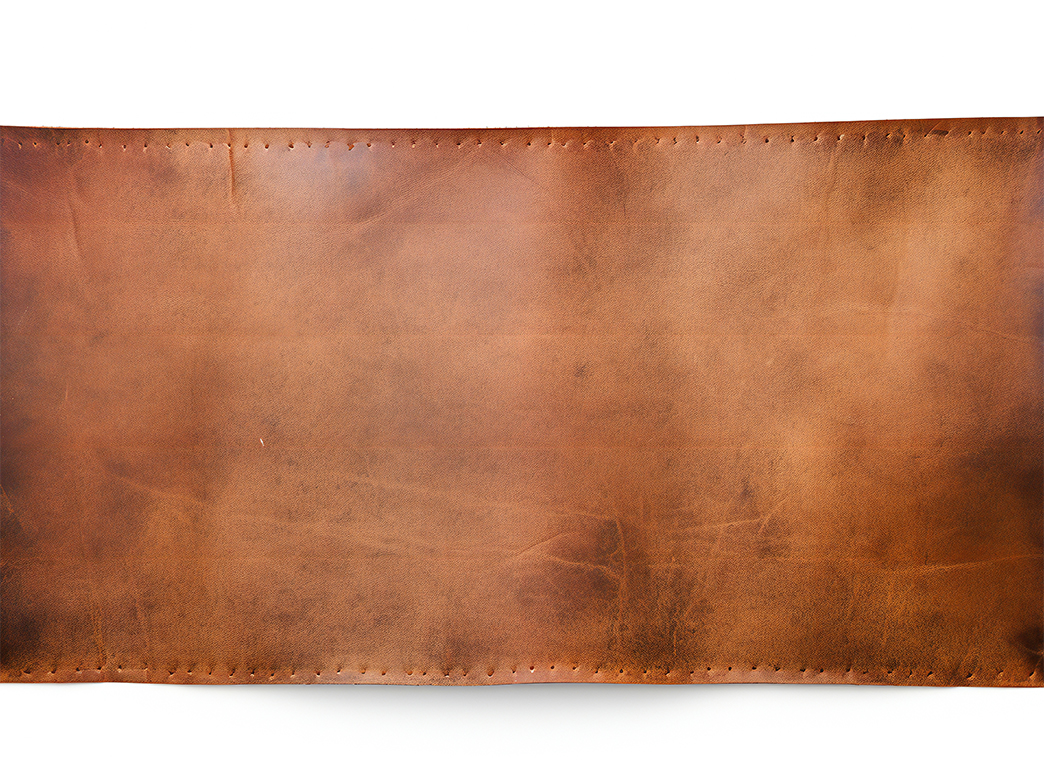
Tips for Cowhide Leather Treatment
- Avoiding direct sunlight and high temperatures is one of cowhide leather treatment to prevent dehydration and cracking.
- It is important to store in a cool, arid place to deter mold. When not in use, please place leather items in protective bags or boxes with moisture-absorbing packets.
- You should clean regularly to remove dust and ensure the surface looks fresh.
- Using specialized leather conditioners periodically to sustain softness and defend the leather material from negative impacts in the surrounding environment.
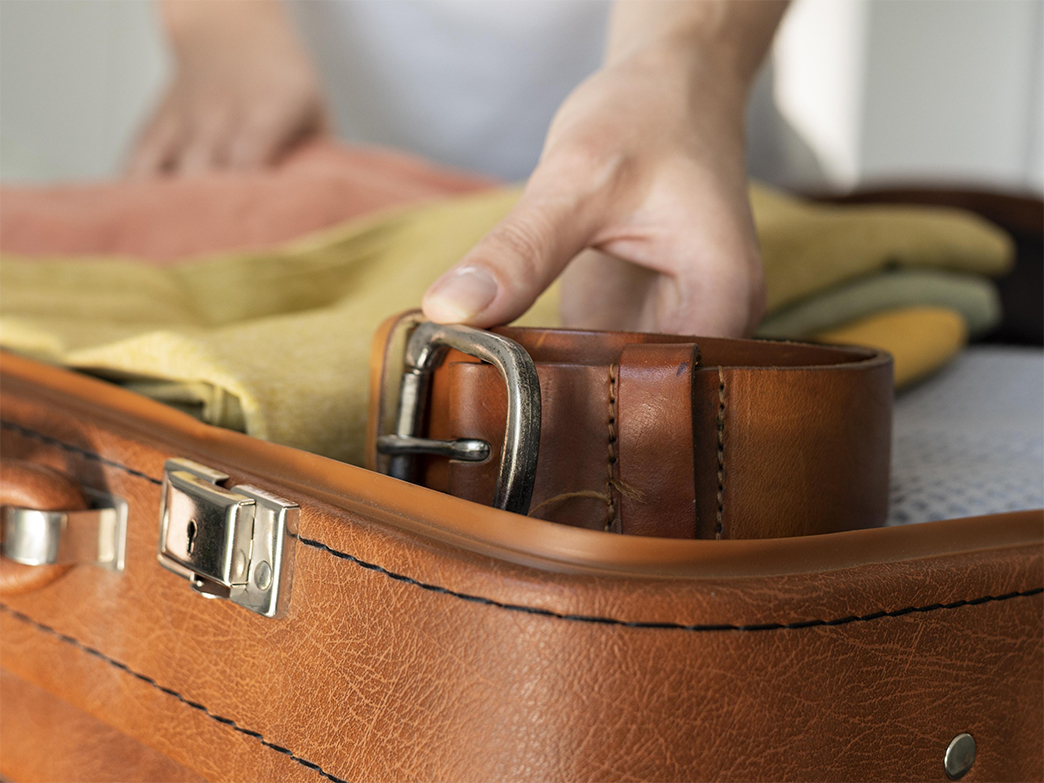
How to Clean and Uphold Different Types of Cowhide Leather
Each kind of leather possesses distinct characteristics that necessitate tailored care routines to conserve the quality and condition.
Full-Grain Leather
Full-grain leather is the highest-quality leather, retaining the original surface and unique grain patterns. As time goes by, it develops a beautiful Patina color that enhances its visual appeal and value.
To cherish Full-grain leather, consumers should consistently wipe off dust with a soft, clean cloth or a fine-bristled brush. For stains, please use a slightly damp cloth and gently wipe the affected area as well as refraining from excessive water exposure because it may damage the leather. For deep cleaning, you can utilize a dedicated leather cleaner and apply a thin layer of conditioner to improve the leather’s softness and suppleness.
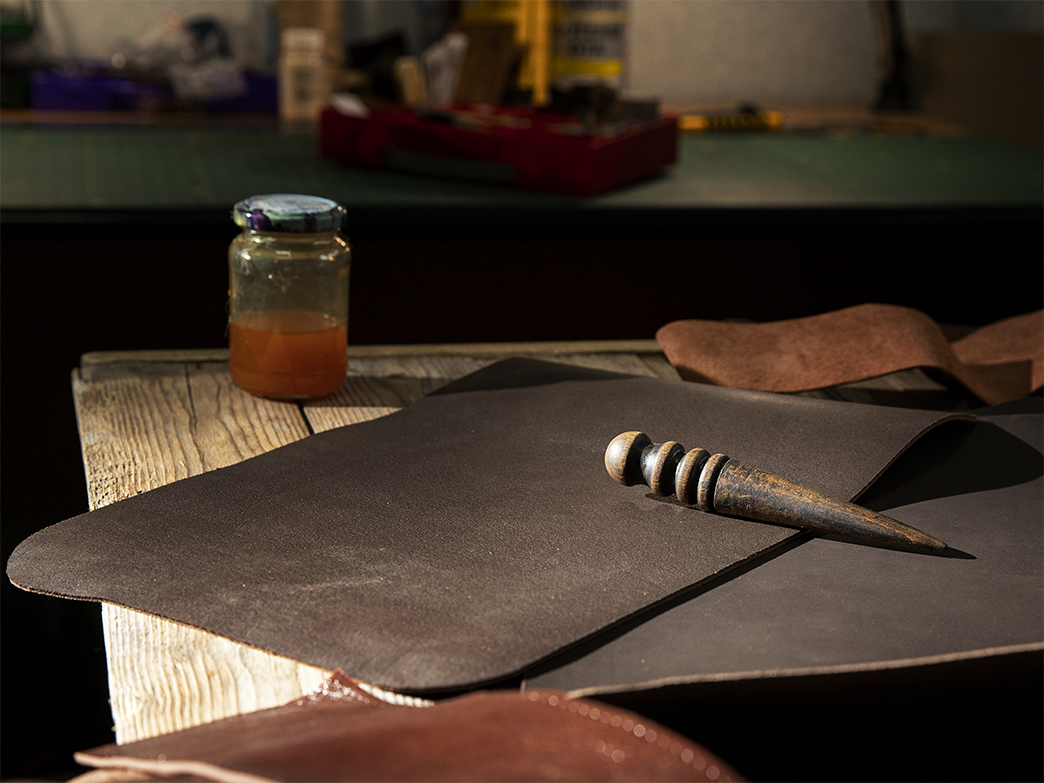
Top-Grain Leather
This leather type undergoes surface treatment to eliminate imperfections, resulting in a smoother and more uniform look. Top-grain leather supports the strength of real leather while offering better abrasion resistance and a more affordable price than full-grain leather.
To clean Top-grain leather, by cowhide leather treatment, the owner may periodically wipe it with a soft, moist cloth and steer clear of harsh chemicals. In case of stubborn stains, please use a suitable leather cleaner, then apply a light layer of conditioner to preserve the leather soft and long-lasting.
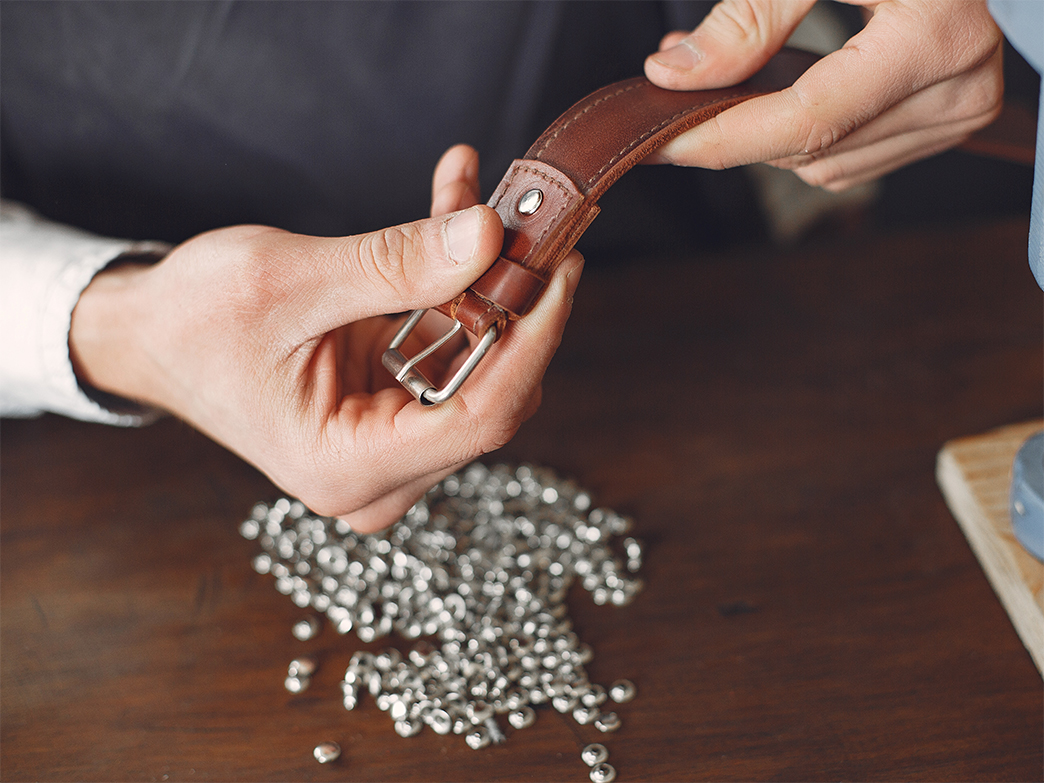
Nubuck Leather
Nubuck leather is sanded on the outer surface, creating a soft, velvety texture. Nevertheless, due to cowhide leather treatment, it is more prone to dust and moisture absorption than other leather categories.
To guarantee Nubuck leather has the best look, using a specific brush or Nubuck cloth to gently take away dust after each use is really essential. Please brush in circular motions without too high pressure to hinder damaging the leather’s texture. For tough stains, you can use a dedicated cleaner but stop over-wetting the leather. After cleaning, let’s apply a protective spray to sustain the softness and discourage drying gradually.
Suede Leather
Suede leather is made from the inside of cowhide, has an open-grain texture, soft feeling but it is also prone to dirt and water like Nubuck leather. These two kinds of leather are often confused with each other. The main difference lies in the cowhide leather treatment and origin of the leather surface. Suede leather is made from the inside of cowhide while Nubuck is sanded on the outside of genuine leather.
To expand the life of Suede leather, please use a soft-bristled brush or a specialized Suede brush, moving in the direction of the fibers. When dealing with blemishes, a Suede eraser can help get rid of marks without damaging the surface. After cleaning, you can apply a conditioning cream to increase resilience.
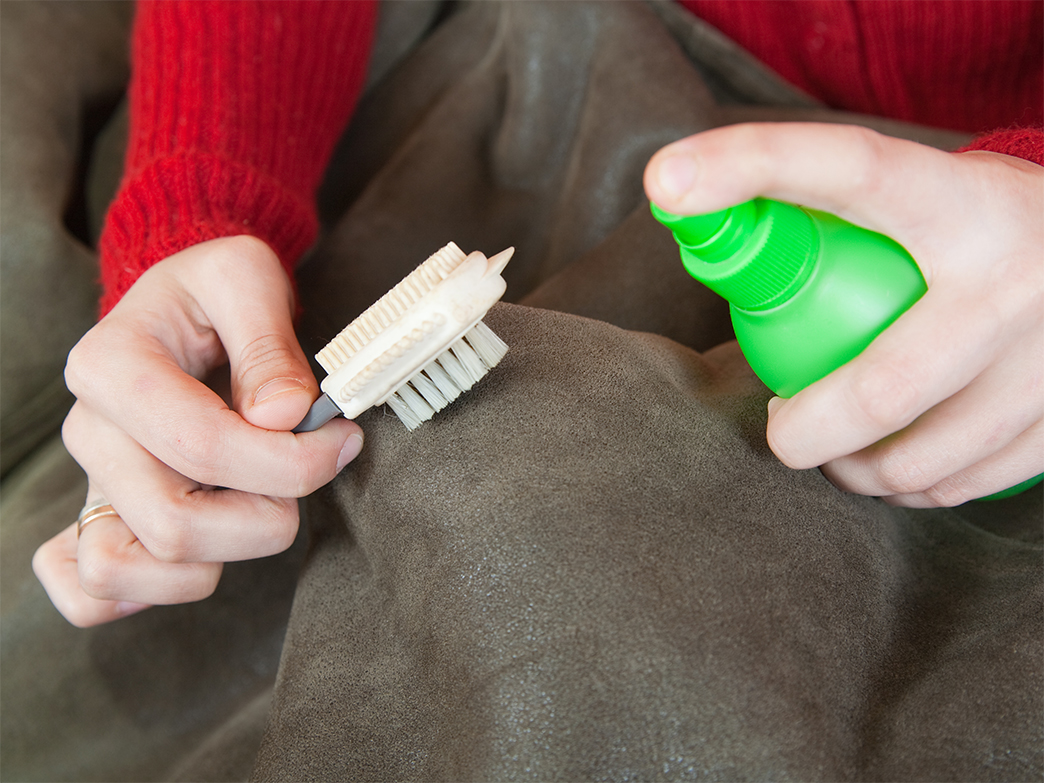
Split Leather
Split leather comes from the lower layers of the hide and has a slightly rough surface. When being untreated, it resembles Suede leather in texture.
To uphold Split leather, consumers should clean it periodically (at least once a week) using a soft rubber-bristle brush to clear away accumulated dust. For stubborn stains, a slightly wet cloth with white vinegar, alcohol or a specially formulated cleaner is the best way to remove these stains, but remember to keep away from strong chemicals. After cleaning, you apply a leather conditioner to retain softness and longevity.
The Best Leather Care Products
Choosing the right cowhide leather treatment products helps safeguard and extend the life of the leather goods. There are some highly recommended options:
- Leather conditioner: It provides moisture, maintains leather softness and prevents cracking. Consumers should avoid products containing mineral oil or petroleum because they can shorten the lifespan of leather. Recommended options are Bickmore Bick 4 Leather Conditioner and Leather Honey Leather Conditioner.
- Waterproofing spray: Being essential for Nubuck and Suede leather, this spray forms a protective barrier against water and moisture, reducing stains and ensuring the leather remains clean. These are some remarkable products such as: Scotchgard Suede & Nubuck Protector, Crep Protect Spray.
- pH-balanced leather cleaner: To clean leather effectively without stripping native oils, please select pH-balanced solutions that both remove dirt and help sustain the strength of the leather. Chamberlain’s Leather Milk Cleaner and Lexol Leather Cleaner are some of the preeminent products in this line.
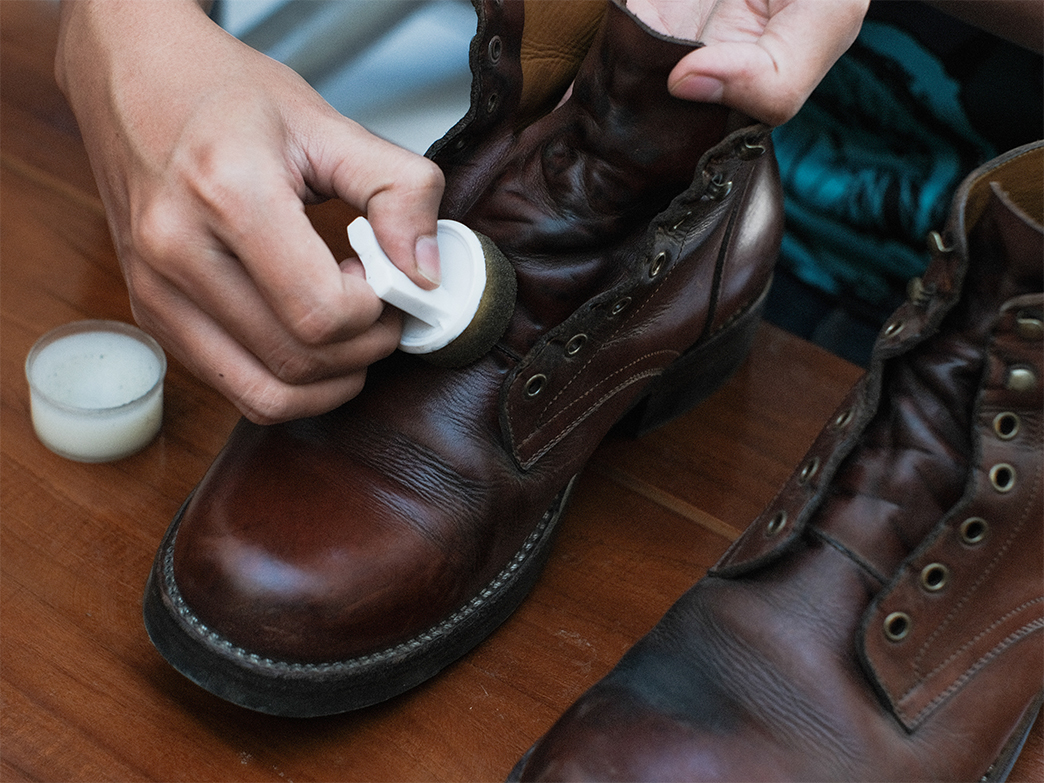
Common Mistakes When Cleaning Cowhide Leather
- Using too much water: By cowhide leather treatment, excess water may cause leather to warp or develop water stains. You should use minimal moisture when cleaning.
- Using harsh chemicals: Household cleaners, alcohol or acetone can damage the leather’s surface. Please always use leather-specific cleaning solutions instead of harsh chemicals.
- Neglecting regular care: Without periodic cleaning and conditioning, leather easily becomes dehydrated, loses the sheen and deteriorates quickly. Making a routine to treat the leather goods properly for maintaining the high quality of products for a long time.
- Drying leather with heat: Many people use a hairdryer or place wet leather near a heat source for quick results. This can strip essential moisture, making the leather brittle and prone to cracking. Instead, please let it air out in a well-ventilated space.
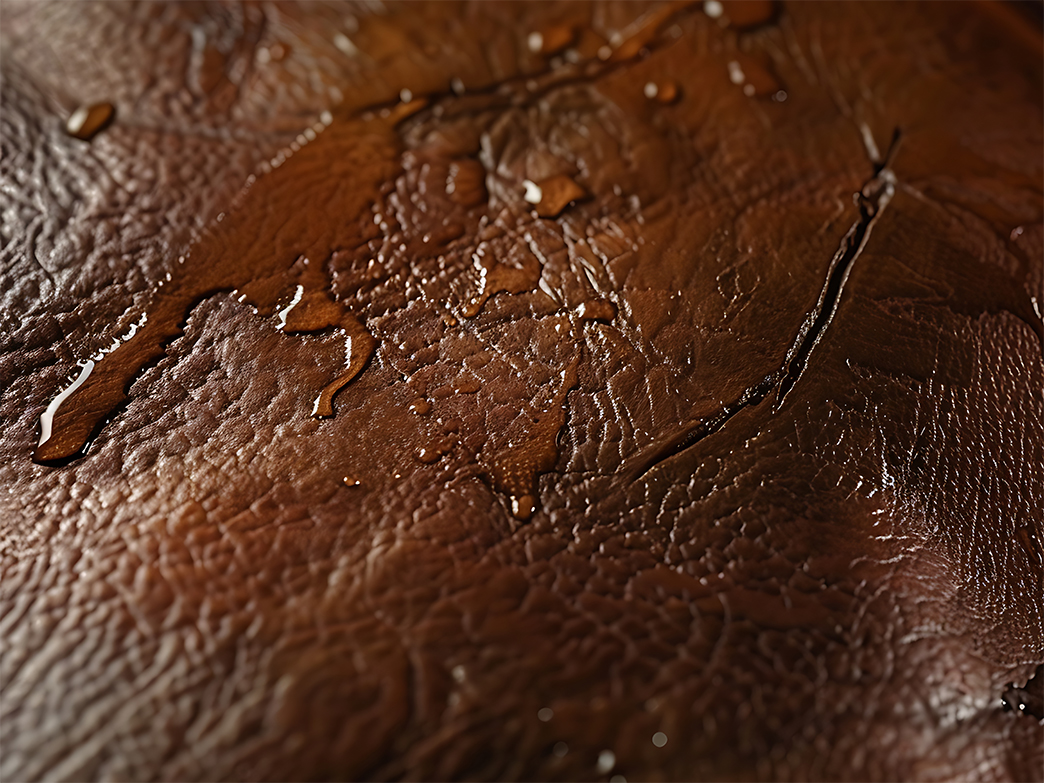
Proper care is the key to preserving leather products’ beauty and durability for the long term. Understanding the characteristics of different leather types combined with using appropriate cowhide leather treatment and steering clear of common mistakes will help the owners uphold their quality effectively.
The Leather1993 Shop – A Prestigious Store With Top-notch Leather Items
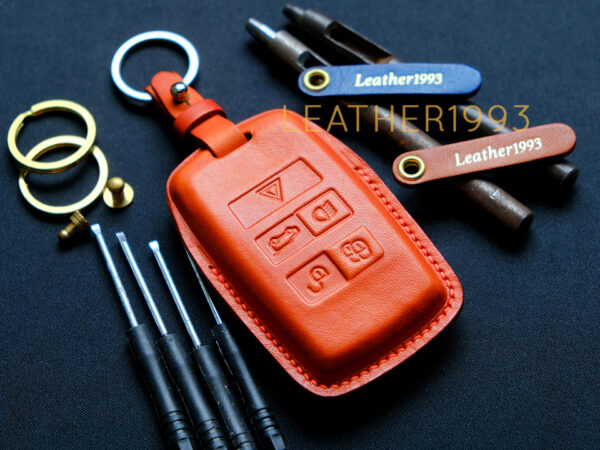
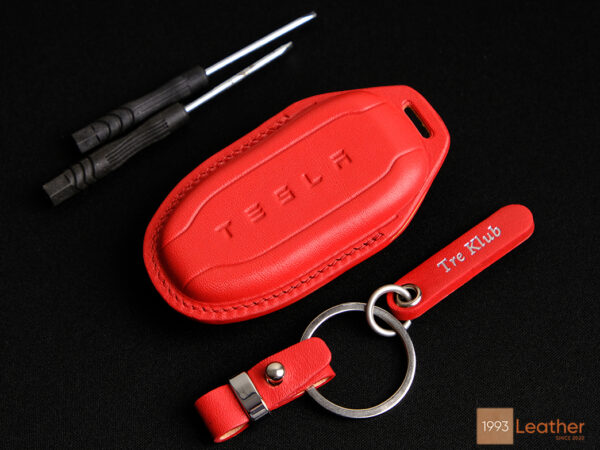
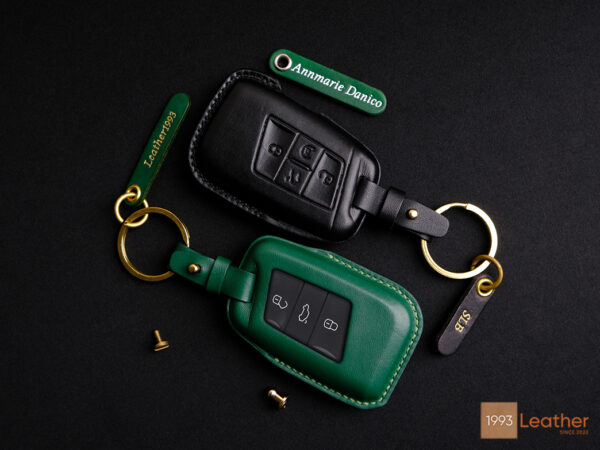
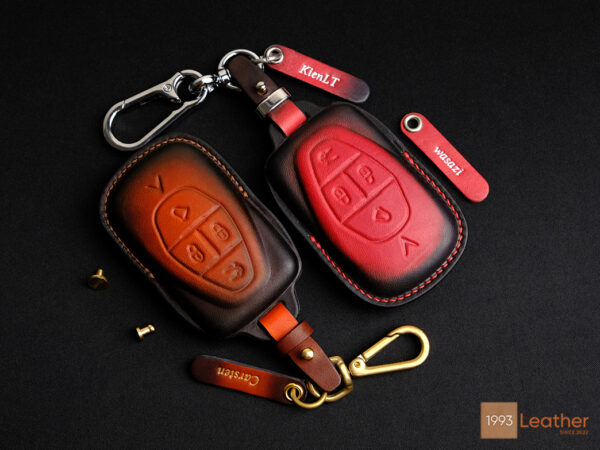
Leather1993 takes pride in being a trusted provider of high-class leather key fob covers. At our store, esteemed customers will find uniquely designed, top-tier products that can be personalized to match various styles. Let’s visit our website today at leather1993.com to discover the perfect leather key fob cover especially for you!
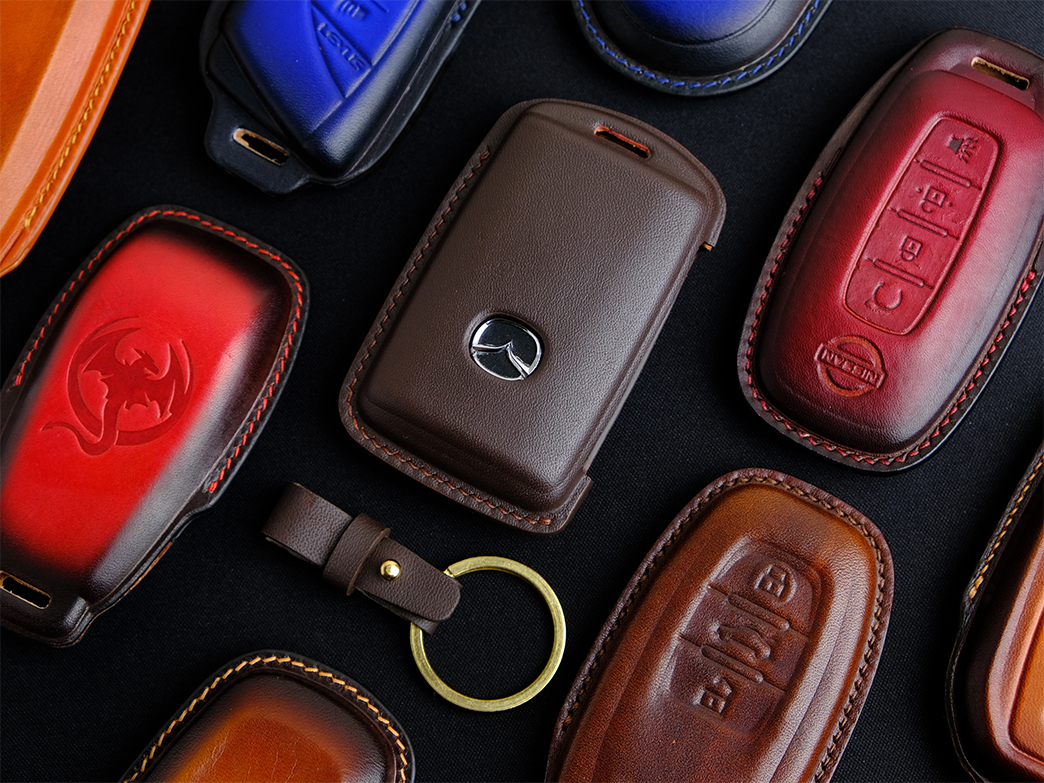
At our shop, we strive to provide the best shopping experience with dedicated service and exclusive offers:
- Discount off up to 33% of all products.
- Free leather tag and keychain with every purchase.
- Complimentary personalized name engraving service.
- 1-for-1 exchange within 7 days for manufacturing defects.
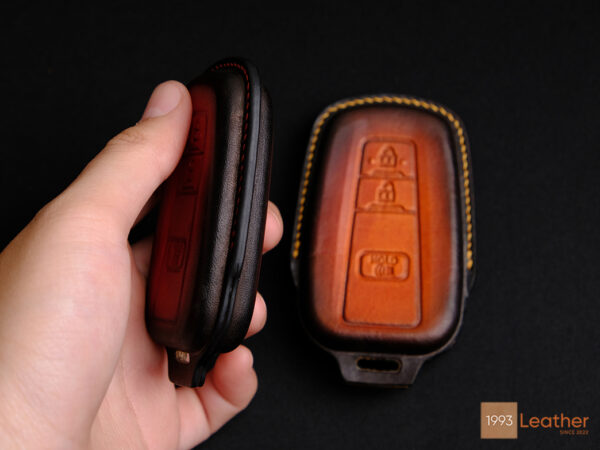
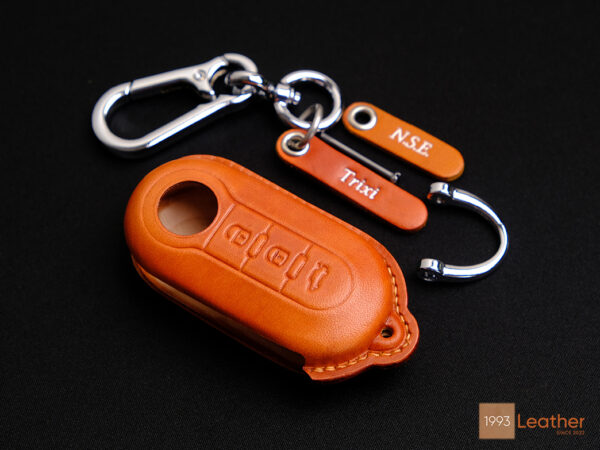
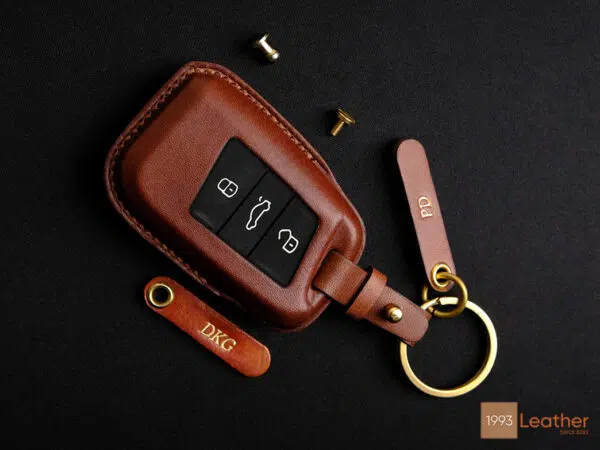
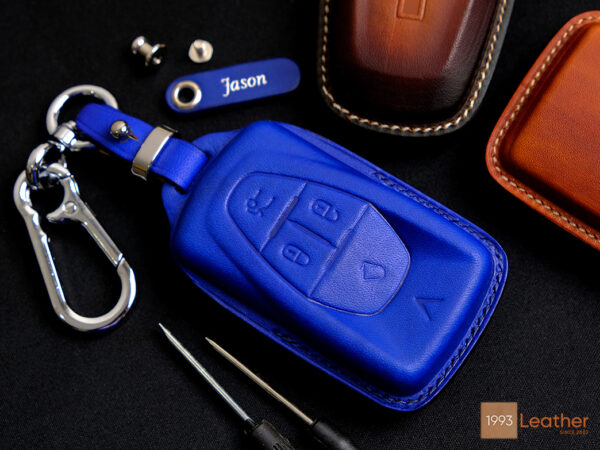
Below are the highest-quality leather key fob covers as one of cowhide leather treatments and are being supported at great prices. You can refer or visit leather1993.com and select the car key fob cover to choose the car brand.
See more:
Above is How to Properly Maintain Leather Goods with Cowhide Leather Preservation Guide. If you have any further suggestions, please leave a comment below and we will update more information. Thank you for taking the time to read this useful information about leather.

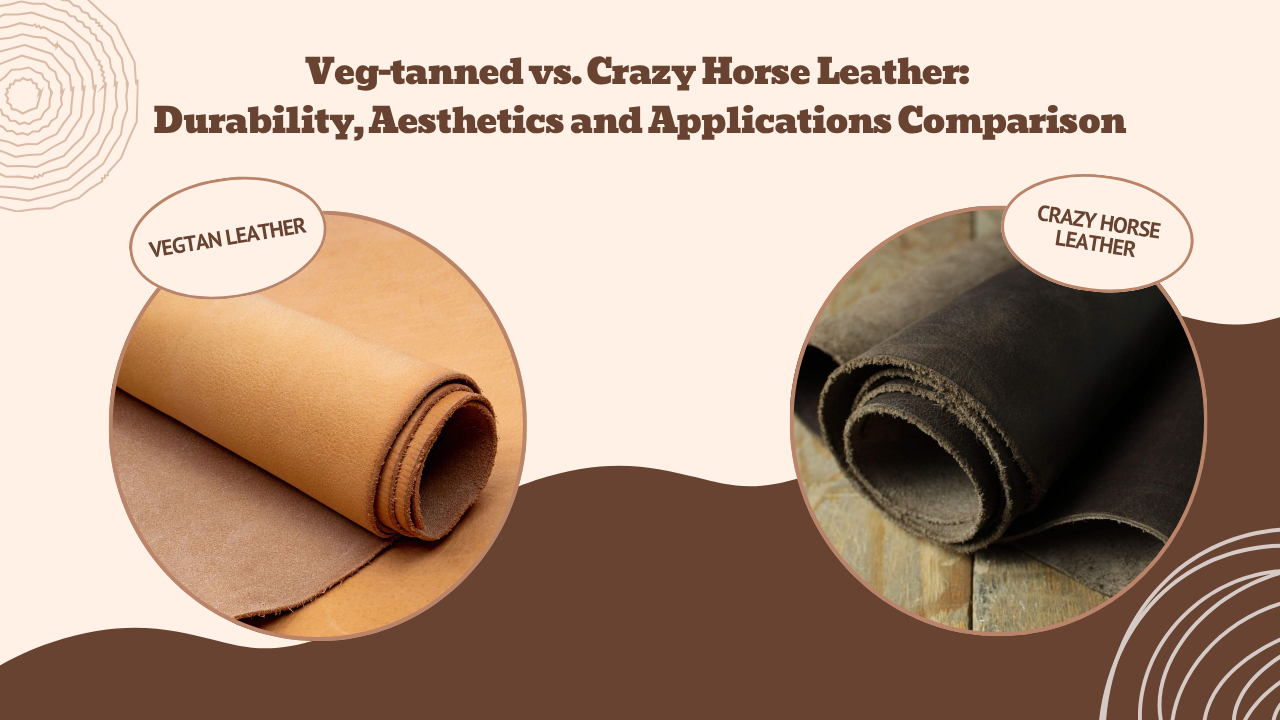 The Comparison between Veg-tanned vs. Crazy Horse Leather: Durability, Aesthetics and Applications
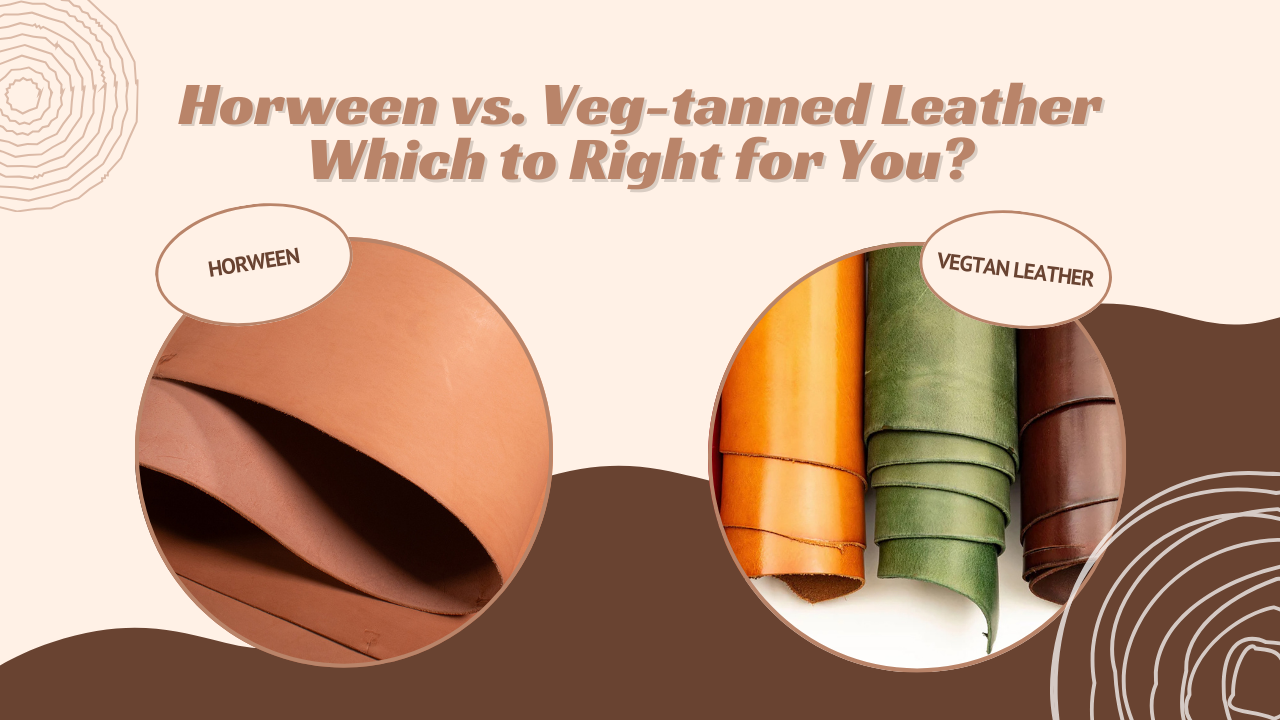 Veg-tanned Leather vs. Horween – Which is the Right Choice for Leather Enthusiasts?
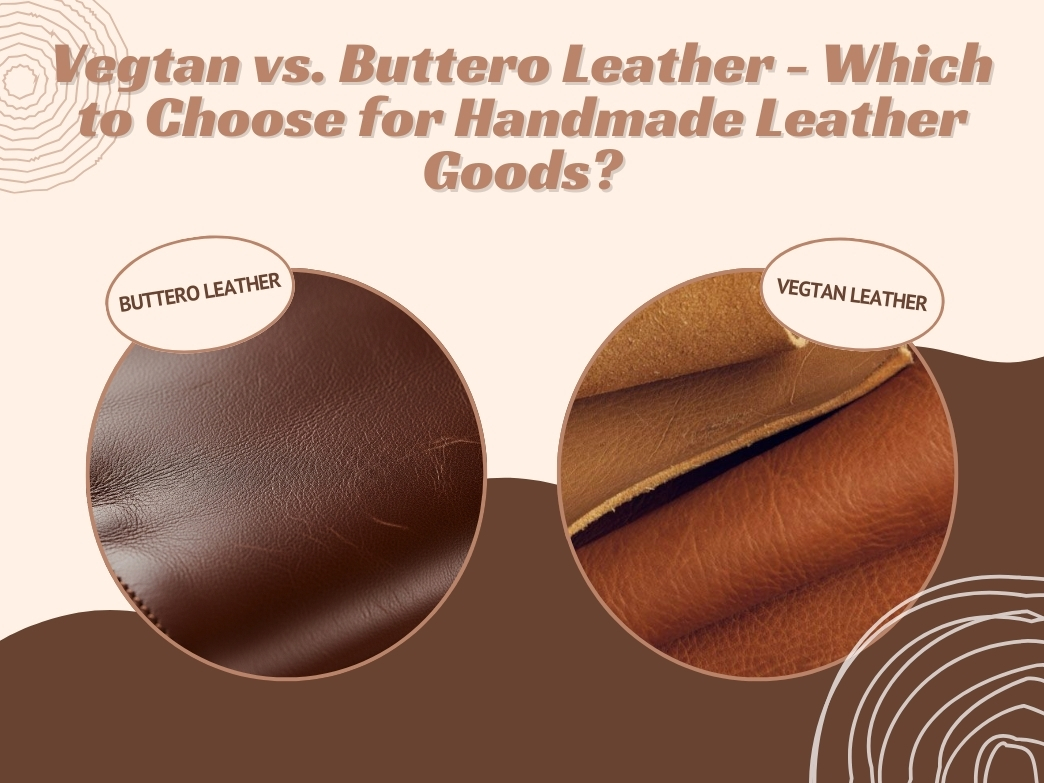 Vegtan vs. Buttero Leather – Which to Choose for Handmade Leather Goods?
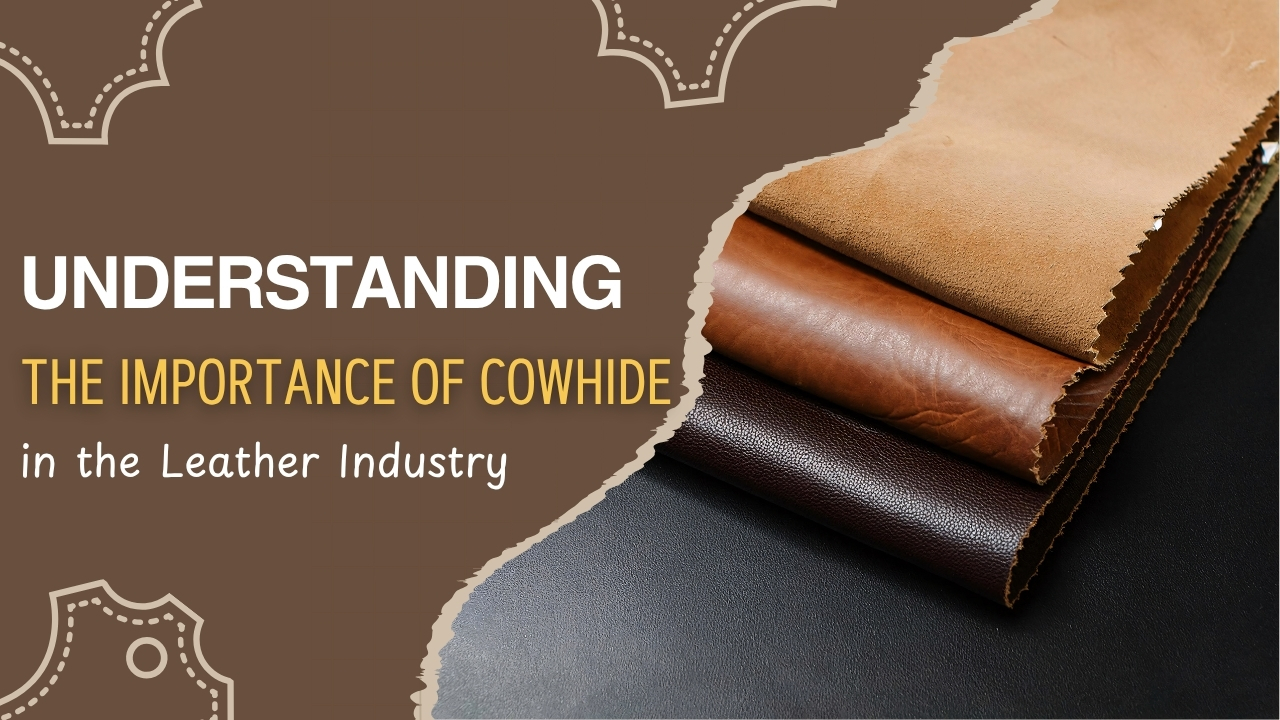 Understanding the Importance of Cowhide in the Leather Industry
 Nubuck and Suede leather: The Two Most Popular Types of Matte Cowhide
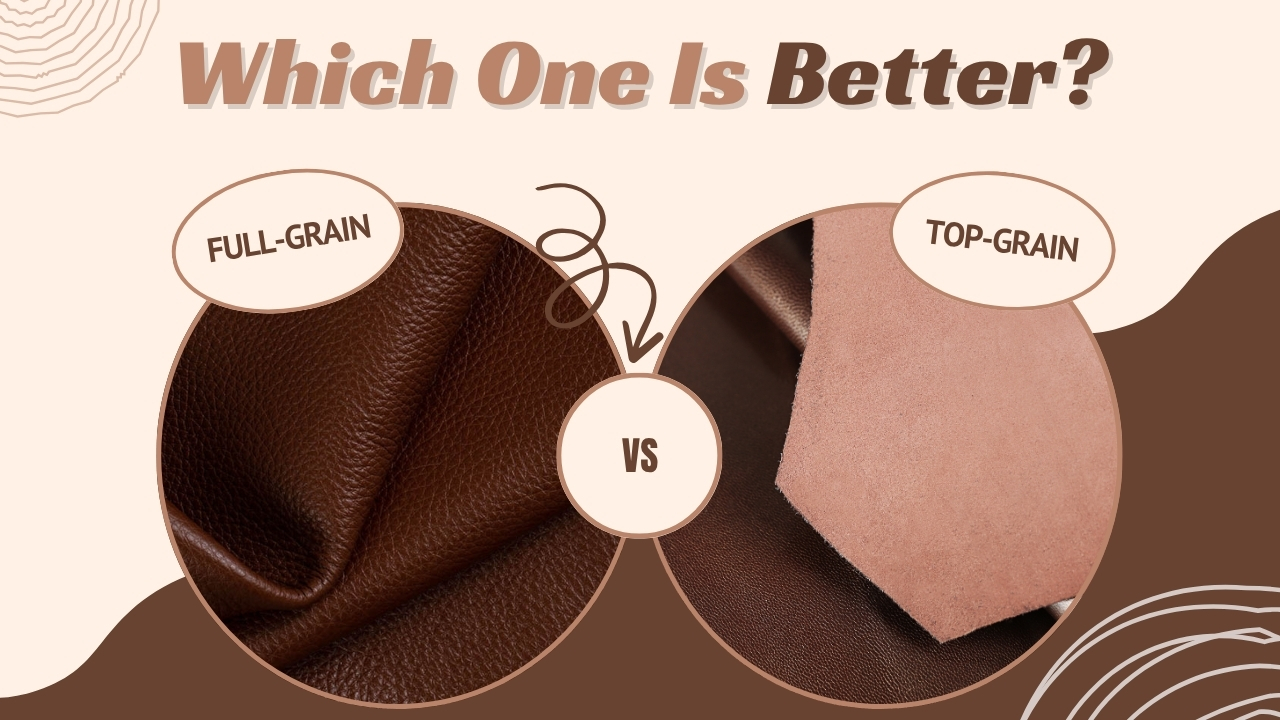 Full-Grain vs. Top-Grain Leather: Which One Is Better?